纠错译史,传承正音
The air in the lecture hall hung thick with a palpable tension, a blend of academic expectation and simmering frustration. My students, mostly bright and eager, sat slumped in their chairs, faces etched with varying degrees of exasperation. The topic – historical errors in translation – was proving to be far more than an abstract exercise in linguistic theory; it was triggering a deeply rooted debate about responsibility, legacy, and the very foundations of communication. As a Professor of English specializing in Translation Studies, I’d dedicated my career to advocating for precision, nuance, and a profound understanding of cultural context. Yet, here, surrounded by future translators, I was witnessing a collective frustration, a feeling that they were grappling with something far more complex than simply swapping words between languages.
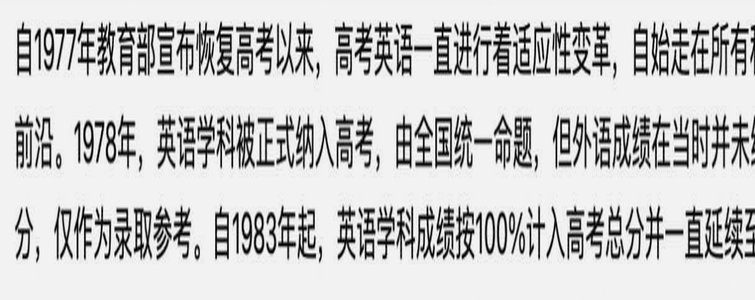
The initial questions had centered around the mechanics of translation – word order, grammatical structures, idiomatic expressions. They’d diligently discussed the challenges inherent in rendering metaphorical language or conveying cultural idioms directly. But then the conversation shifted, inexorably, to the specific instances where these mechanical difficulties had been compounded by outright errors, by distortions that had irrevocably altered the meaning of texts.
I started with a classic example: the translation of Chairman Mao’s Little Red Book. Not just the surface-level ideological manipulations – though those were significant – but the inherent simplification, the aggressive flattening of complex philosophical concepts into slogans. It was a stark illustration of how political agendas could actively shape and distort the translation process, transforming a potential source of intellectual inquiry into a tool of propaganda. The students didn’t challenge this; they acknowledged it intellectually, yet there remained an unspoken reluctance to fully internalize its implications.
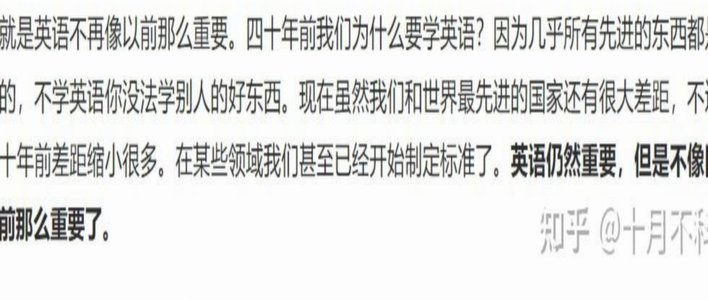
Then came the discussion of the infamous “Fat Translator” from *The Little Hanged Man* by Zhang Xixun. This single phrase – "胖翻译" (pàng fàn yì) - had become a shorthand descriptor for substandard translation, a symbol of everything that could go wrong. The students readily identified the problem: the literal rendering of "fat translator" as “Fat Translator” completely lost the underlying symbolism of incompetence and betrayal within the narrative. It wasn't just about mistranslation; it was about erasing the cultural nuance, the implied critique woven into the original text.
“But Professor,” one student, a particularly sharp young man named Lin, ventured tentatively, "Isn’t the problem always subjective? Interpretation is inherently… fluid.” He gestured emphatically with his hand. “You can translate ‘red’ as ‘rosso,’ ‘rouge,’ or ‘rot,’ and each carries a different connotation based on cultural associations.”
I paused, allowing his point to sink in. “Precisely, Lin,” I replied calmly. "Interpretation is undeniably fluid. But that fluidity doesn't negate the responsibility of the translator to understand the *context* within which that interpretation operates. The 'Fat Translator' example isn’t simply about a misinterpretation; it's about a failure to recognize the metaphorical weight carried by the original phrase and its historical resonance.”
I pushed further, introducing instances from less widely discussed areas – scientific texts rendered with jarring inaccuracies that hampered crucial research, legal documents leading to catastrophic misunderstandings, religious scriptures manipulated for ideological purposes. The sheer volume of these errors, accumulated over centuries, was staggering. It wasn't a matter of isolated incidents; it represented a systematic erosion of trust, a perpetuation of misunderstanding fueled by flawed linguistic choices.
A particularly heated debate erupted when we addressed the translation of Russian literature into Chinese. Numerous prominent translators had perpetuated distortions – often unintentionally – driven by ideological biases or simply a lack of deep engagement with the source material. The result was a distorted image of Dostoevsky, Tolstoy, and Chekhov, filtered through the lens of Soviet ideology. Several students voiced frustration at what they perceived as the “intellectual arrogance” of these historical translators, arguing that they hadn't fully grasped the complexities of the original texts.
“It’s easy to criticize those translators from a distance,” argued another student, a young woman named Mei, "but we have to acknowledge that their choices were shaped by their own time and place.”
"Indeed," I conceded, “But recognizing historical context doesn't absolve them of responsibility for conveying the core meaning accurately. It simply adds another layer of complexity to the translation process."
I shifted my focus, asking them a more probing question: "Let’s consider something simpler. You are tasked with translating 'autumn' into Japanese. There isn’t one single perfect equivalent. ‘秋 (aki)’ is common, but it carries certain connotations linked to harvest festivals and the changing of leaves. ‘紅葉 (momiji)’ refers specifically to the vibrant red foliage. How do you choose? And what factors inform your decision beyond a literal translation?"
The students engaged in a lively discussion about aesthetic considerations, cultural associations, and the translator’s role as an intermediary between two worlds. But beneath the academic discourse, I sensed a growing realization – that true translation wasn't just about mastering grammar and vocabulary; it was about empathy, critical thinking, and a deep-seated respect for the source text.
As the lecture drew to a close, I reiterated my central point: these historical errors weren’t simply technical failures; they were indicative of deeper problems – a lack of cultural sensitivity, ideological bias, and often, a failure to recognize the profound responsibility that comes with wielding language as a bridge between cultures. The legacy of those flawed translations wasn't just about incorrect words; it was about distorted perceptions, misconstrued intentions, and ultimately, lost opportunities for genuine understanding.
"You are training to be translators," I concluded, my voice resonating through the room, "and you must understand that your work carries a weight far beyond mere linguistic skill. You have a duty—a solemn obligation—to strive not just for accuracy, but for *truth*, as represented by the original text. The 'Fat Translator' isn’t a cautionary tale; it is a constant reminder: never allow yourself to be complicit in the erasure of meaning."
相关文章
最绝望的不是结局 而是内心挣扎
最绝望的不是结果而是内容 当赵心童在赛点局的最后三分钟被对手连续抢到关键视野时,观众席的呐喊声骤然低沉。这个时刻的绝望不在于胜负未分,而在于他必须面对自己内心最深处的恐惧——当所有战术都失效,当队友...
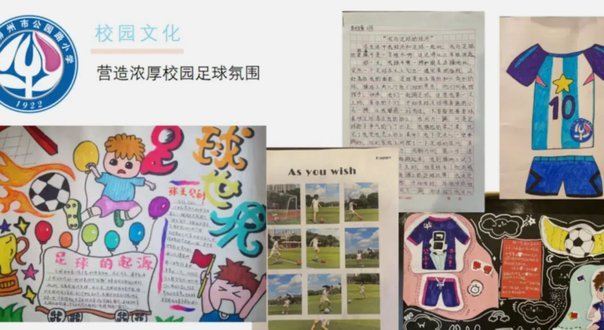
校园足球振兴进行时
## 校园足球开始出成果了:一场正在发生的变革 “少年强则中国强”,这句名言在2024年初,在与校园足球建设相关的大型会议上再次被提及,引发了广泛关注和讨论。过去的多年,校园足球的发展经历了起起伏伏...
朴振燮:从中超到世界杯的挑战
## 浙江队新星,能否在世界舞台闪耀? 朴镇燮的加盟为浙江队注入了新鲜血液,这位韩国后卫球员凭借其出色的防守能力和阅读比赛的能力迅速成为球迷眼中的焦点。但当他穿上韩足代表战袍时,面对的世界不再是中超...
中国足协人事调整密集进行!
**这一届的中国足协确实办了很多人事!国足未来值得期待!** 自今年9月起,中国足球协会(简称“中国足协”)一系列举措,无疑为中国男足带来了新的首先,中国足协正式发布公告,面向全球公开选聘新任国足主...
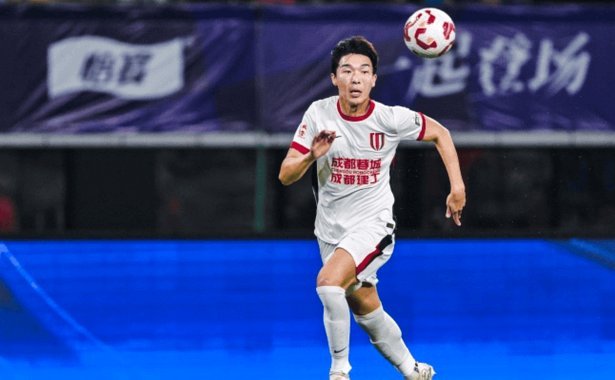
18岁新星能否冲击国家队主力位置?
### 18岁能否进入国家队并成为主力? 近年来,关于年轻球员在国家队中发挥出色甚至担任主力的话题引起了广泛讨论。这不仅激发了球迷们对体育精神和潜力少年的关注,也促使人们更加关注国家队选人的标准与...
中超裁判安排:谁吹谁赢?
## 中超裁判安排:梁松尚执哨英博蓉城,王迪执哨国安河南 中超联赛的裁判安排,一直是球迷们关注和讨论的焦点之一。从官方公布的选派结果来看,裁判的专业水平、经验以及在比赛中的临场判断能力,都直接关系到...